There is something completely irreplaceable about the energy of a packed conference room, a whiteboard, and live, in-person discussions. Over the past two weeks, I had the pleasure of returning to frontal training right here at the Silverfort offices.
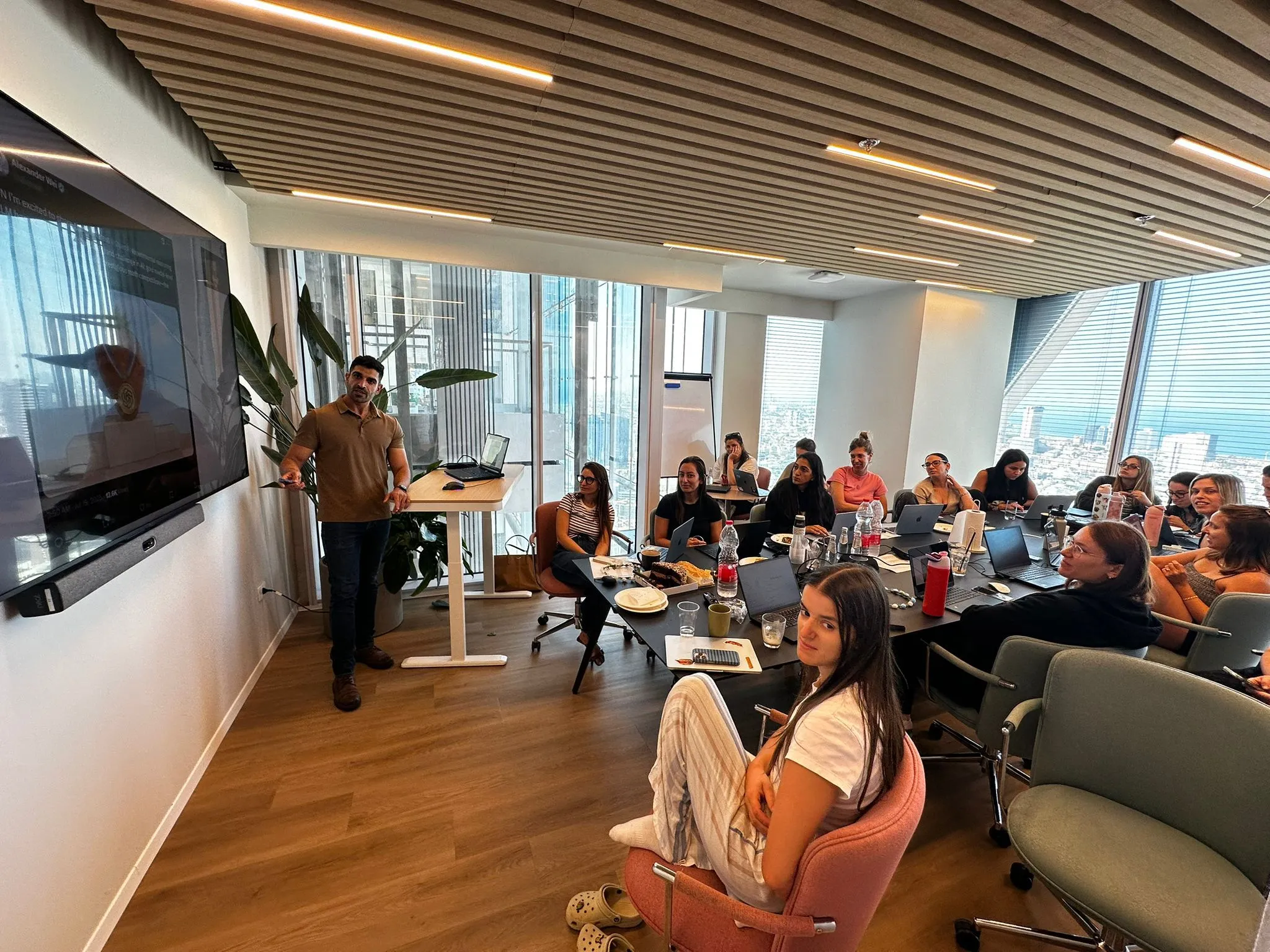
This entire initiative was sparked by our VP of HR, who recognized an immediate operational need. Knowing that I had already been delivering AI training sessions for military reservists, she saw the opportunity to channel that practical experience in-house. Together, we designed two dedicated, intensive workshops: the first for our HR team and the second for Finance.
The goal was not just to talk about AI conceptually, but to give non-engineering teams the technical foundation, mental models, and hands-on skills to evolve from passive consumers into confident builders.
Both sessions followed a focused, two-hour blueprint structured into three distinct chapters:
1. Looking Under the Hood (First 30 Minutes) We kicked off with engineering fundamentals. We traced the rapid evolution of GenAI from November 2022 to the present, followed by what actually happens behind the scenes: how tokenization processes language, how vectors form a semantic space, and how the Transformer architecture generates coherent context.
From there, we transitioned into applied prompt engineering. I tailored the examples specifically to each room: HR explored prompt frameworks for role profiling, candidate screening, and internal communications, while Finance tackled anomaly detection, financial narrative synthesis, and trend analysis.
2. Mastering the Enterprise Stack - Claude (Next 30 Minutes) The second block focused on Claude, our primary organizational platform. We went beyond basic chat to unpack its advanced enterprise features: building custom skills, leveraging plugins, configuring workspace settings, and integrating high-value connectors directly into daily operations.
3. One Hour of Vibe Coding: Turning Pain Points into Working Tools The entire second half was hands-on. Ahead of the session, participants were asked to bring real, frustrating pain points from their daily routines - workflow bottlenecks, repetitive manual steps, and spreadsheet headaches.
Working solo, in pairs, or in trios, the teams jumped into the fundamentals of "Vibe Coding." People who had never written a single line of traditional code directed AI models to spin up working software prototypes that solved their own operational challenges.
Customizing each session to the specific domain takes solid prep time, but watching non-technical professionals realize they can now build their own tools makes every minute worthwhile. The teams are already asking for follow-up sessions, and I cannot wait to bring this format to more departments across Silverfort.